When it comes to roof repairs or replacements, asking the right questions can save you thousands of dollars and prevent future headaches. Working with licensed roofing contractors ensures you’re dealing with professionals who meet industry standards and local regulations. This guide walks you through six critical questions that separate reliable contractors from questionable ones.
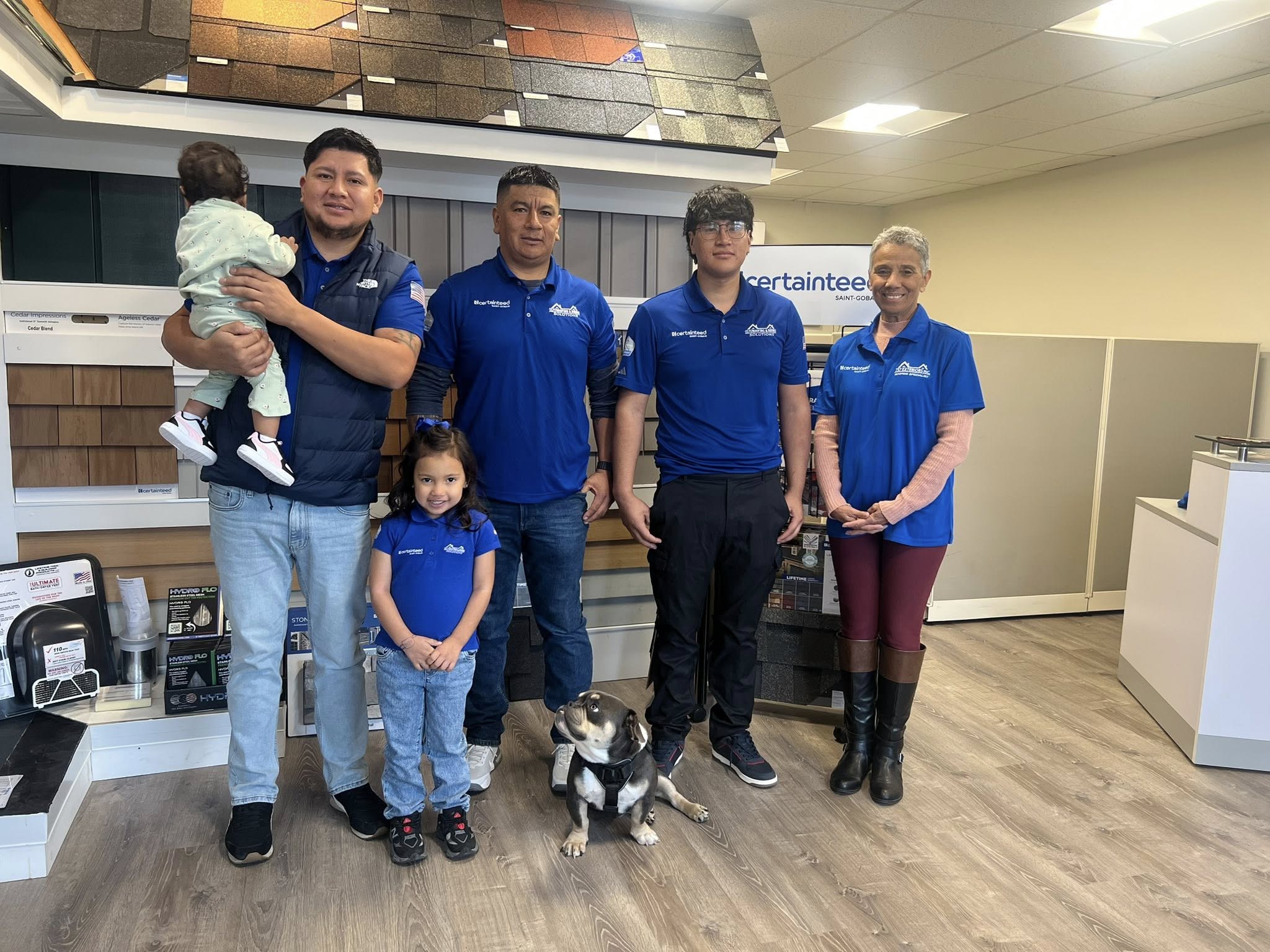
Whether you need routine maintenance or a complete roof overhaul, 757 Exteriors INC has been serving homeowners in Cranston, RI with expert roofing services, siding, and gutter solutions. Our team understands that informed customers make the best decisions. That’s why we encourage every homeowner to ask tough questions before signing any contract.
Why Asking Questions Matters
Roofing projects represent significant investments. The difference between a successful project and a disaster often comes down to due diligence during the contractor selection process. Smart homeowners know that licensed roofing contractors should welcome questions, not avoid them.
Key benefits of thorough contractor vetting:
- Protects your financial investment
- Ensures proper licensing and insurance coverage
- Establishes clear project expectations
- Reduces risk of substandard workmanship
- Creates accountability throughout the project
💡 Expert Tip
Always request proof of licensing and insurance before discussing project details. Licensed roofing contractors carry proper liability coverage and workers’ compensation insurance, protecting you from potential lawsuits if accidents occur on your property.
The 6 Essential Questions
1. Are You Licensed, Bonded, and Insured?
This should be your first question to any contractor. Licensed roofing contractors have met state and local requirements, demonstrating their commitment to professional standards. Request copies of their license, liability insurance, and workers’ compensation coverage. Verify these documents are current and cover the full scope of your project.
2. How Long Have You Been in Business?
Experience matters in roofing. While newer companies can deliver quality work, established contractors bring proven track records. Ask about their experience with your specific roofing material, whether it’s asphalt shingles, EPDM rubber roofing, or specialty materials.3. Can You Provide Local References?
Reputable contractors readily share customer references. Request at least three recent references from projects similar to yours. Contact these homeowners and ask about work quality, communication, timeline adherence, and cleanup practices.
4. What Does Your Warranty Cover?
Understanding warranty coverage prevents future disputes. Quality residential roofing services include both manufacturer warranties on materials and contractor warranties on workmanship. Clarify what’s covered, duration of coverage, and the process for warranty claims.Questions Comparison Guide
| Question | Why It Matters |
|---|---|
| Licensed & Insured? | Protects you from liability |
| Years in Business? | Indicates reliability and experience |
| Local References? | Verifies quality and reputation |
| Warranty Coverage? | Ensures long-term protection |
| Detailed Written Estimate? | Prevents surprise costs |
| Project Timeline? | Sets realistic expectations |
5. Will You Provide a Detailed Written Estimate?
Verbal estimates create confusion and disputes. Insist on itemized written estimates that specify materials, labor costs, project timeline, and payment schedule. This document protects both parties and establishes clear expectations. Premium materials like red cedar shingles command different pricing than standard options.6. What’s Your Project Timeline?
Realistic timelines depend on project scope, weather conditions, and contractor availability. Discuss start dates, estimated completion, and how weather delays are handled. Reliable contractors provide reasonable timeframes and communicate proactively about any changes.
Important timeline considerations:
- Permit acquisition timeframes
- Material delivery schedules
- Weather contingencies
- Crew availability
- Inspection requirements
Making Your Decision
After gathering answers, trust your instincts. Professional licensed roofing contractors demonstrate expertise, transparency, and respect for your concerns. Red flags include contractors who pressure quick decisions, request full payment upfront, or lack proper documentation.
Your home deserves quality residential roofing service from professionals who stand behind their work. Don’t settle for contractors who can’t answer these fundamental questions satisfactorily.Ready to Work with True Roofing Professionals?
757 Exteriors INC brings years of experience and certified expertise to every project in Cranston, RI. Our licensed roofing contractors answer every question with honesty and back our work with comprehensive warranties.
Get Your Free Estimate Today📞 Call Now: +1 401-583-6671
Frequently Asked Questions
Q: How do I verify a roofing contractor’s license? A: Contact your state’s licensing board or visit their website to confirm license status. Licensed roofing contractors should provide their license number readily. In Rhode Island, you can verify contractor licenses through the Department of Business Regulation.
Q: What insurance should my roofing contractor carry? A: Contractors should maintain general liability insurance (minimum $1 million coverage) and workers’ compensation insurance. Request certificates of insurance and verify coverage directly with the insurance provider.
Q: How many estimates should I get before choosing a contractor? A: Obtain at least three detailed estimates from licensed roofing contractors. This helps you understand fair market pricing and compare service offerings. Avoid choosing solely based on the lowest bid.
Q: What red flags should I watch for when interviewing contractors? A: Warning signs include no physical business address, requests for full payment upfront, lack of written contracts, missing insurance documentation, high-pressure sales tactics, and unwillingness to provide references or answer questions thoroughly.