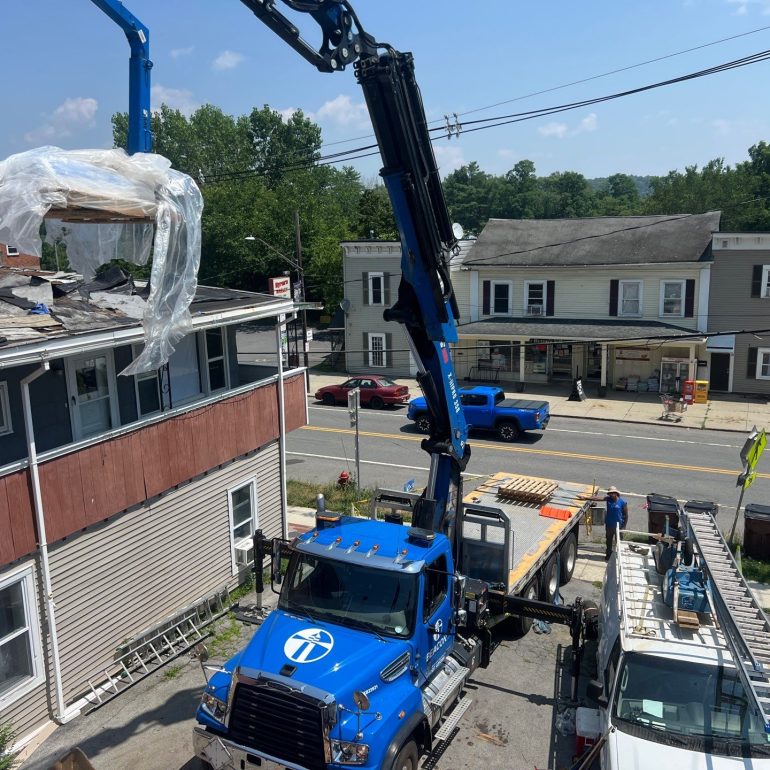
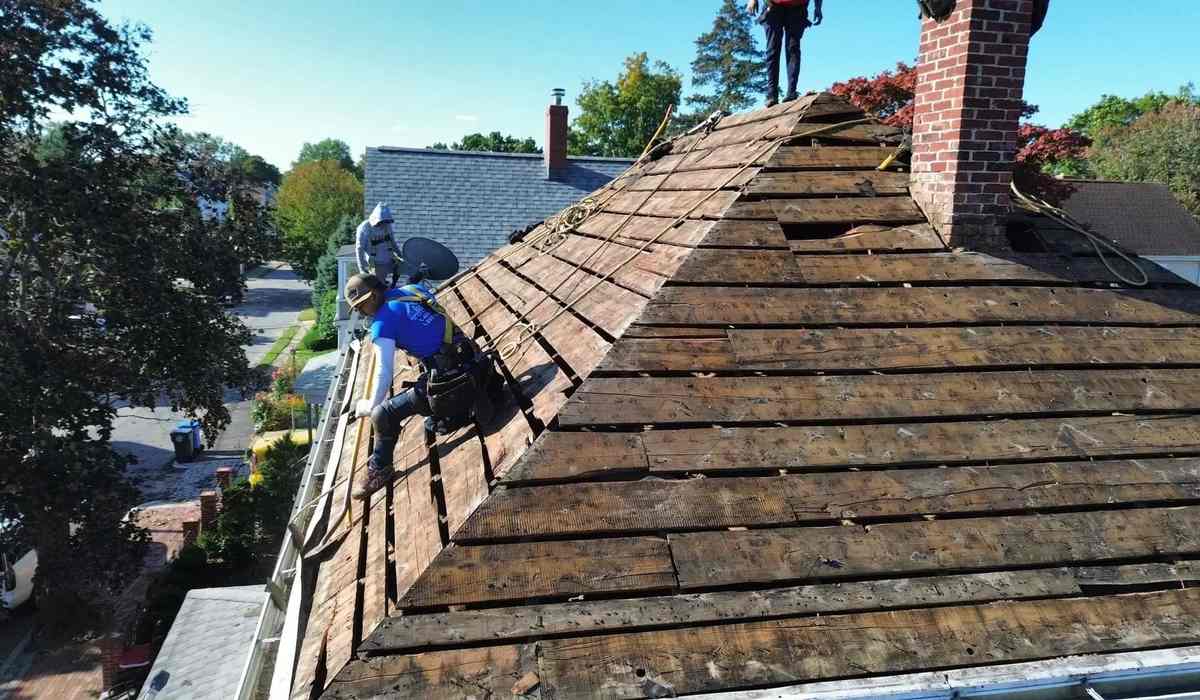
A roof is one of the most critical parts of any home, yet it is often overlooked until serious problems appear. Roof damage does not usually happen overnight. It develops slowly through weather exposure, aging materials, poor installation, or lack of maintenance. Understanding roof repair early can save homeowners thousands of dollars, prevent interior damage, and extend the life of their roofing Trends system. This guide is designed to help homeowners understand roof repair in a practical, realistic, and complete way, covering common issues, warning signs, repair options, preparation steps, DIY limitations, and when professional help becomes necessary.
Roof repair is not only about fixing visible damage. It is also about identifying hidden issues before they turn into costly structural problems. Moisture intrusion, mold growth, insulation damage, and energy loss are often linked to roofing issues that go unnoticed for too long.
Common Causes of Roof Damage
Most roof problems come from a combination of environmental stress and natural wear over time. Weather is the biggest factor, especially heavy rain, snow, hail, high winds, and prolonged sun exposure. Storms can lift shingles, damage flashing, and create entry points for water. Even minor storms can weaken roofing materials without immediate visible signs.
Age is another major factor. Asphalt shingles typically last 20 to 30 years, while flat roofs and older roofing systems may fail sooner if not properly maintained. Over time, materials dry out, crack, curl, or lose granules, making them less effective at protecting the home.
Poor installation is a hidden but serious cause of roof damage. Improper flashing, incorrect nailing patterns, or low-quality materials can cause leaks long before the roof reaches its expected lifespan. Inadequate ventilation also accelerates roof deterioration by trapping heat and moisture in the attic.
Signs Your Roof Needs Repair
Many homeowners only notice roof problems after water stains appear on ceilings or walls. However, by that point, damage may already be extensive. Early warning signs are often visible from the ground or attic.
Missing, cracked, or curling shingles are one of the most obvious signs. Shingle granules collecting in gutters indicate material breakdown. Dark streaks or moss growth can suggest trapped moisture and poor drainage. Inside the home, musty odors, peeling paint, or increased energy bills may signal hidden roof leaks or insulation damage.
Flat roofs often show different warning signs, including ponding water, bubbling or blistering surfaces, cracked membranes, or seam separation. These issues require quick attention because flat roofs are more vulnerable to water infiltration.
Roof Leak Repair and Hidden Damage
Roof leaks are among the most common and misunderstood roofing problems. Water rarely enters directly below the visible leak. It often travels along roof decking, rafters, or insulation before appearing inside the home. This makes locating the true source challenging without proper inspection.
Leaks commonly originate around flashing, chimneys, skylights, roof valleys, and vent pipes. Temporary fixes like sealants or patch kits may stop water briefly but often fail to address the underlying issue. Long-term solutions usually involve replacing damaged materials and ensuring proper water flow away from vulnerable areas.
Ignoring roof leaks can lead to mold growth, rotted wood, electrical hazards, and compromised structural integrity. Even small leaks should be addressed promptly to prevent widespread damage.
Roof Repair vs Roof Replacement
One of the most important decisions homeowners face is whether to repair or replace their roof. The right choice depends on several factors, including the roof’s age, extent of damage, material type, and long-term costs.
The table below explains when repair or replacement is typically the better option.
| Factor | Roof Repair | Roof Replacement |
| Roof Age | Less than 15 years | Over 20 years |
| Damage Scope | Localized or minor | Widespread or structural |
| Cost | Lower upfront | Higher but long-term value |
| Energy Efficiency | Limited improvement | Major improvement |
| Future Maintenance | Ongoing repairs | Minimal for many years |
Repair makes sense when damage is isolated and the roof is otherwise in good condition. Replacement becomes the better investment when repairs are frequent, damage is extensive, or the roof is near the end of its lifespan.
DIY Roof Repairs and Their Limitations
Some homeowners consider DIY roof repair to save money. Minor tasks such as replacing a few shingles, cleaning gutters, or sealing small flashing gaps may be manageable for experienced homeowners with proper safety equipment.
However, roofing work is inherently dangerous. Slips, falls, and improper repairs can cause serious injuries or worsen damage. Many roofing problems require professional tools, materials, and expertise that DIY methods cannot provide. Incorrect repairs often void warranties and lead to higher costs later.
Homeowners should avoid DIY repairs involving structural damage, persistent leaks, flat roof membranes, or steep roofs. In these cases, professional inspection and repair are safer and more effective.
Preparing for Roof Repair
Preparation plays a critical role in successful roof repair. Homeowners should start by documenting visible damage and checking attic spaces for moisture or mold. Clearing gutters and trimming overhanging branches can help prevent additional issues during repairs.
It is also important to understand local building codes and permit requirements. Some repairs may require inspections or compliance with specific regulations. Scheduling repairs during favorable weather conditions reduces delays and improves repair quality.
Choosing a reputable roofing contractor ensures proper materials, workmanship, and warranty protection. Reliable contractors provide transparent estimates, explain repair options clearly, and prioritize safety.
Flat Roof Repair Considerations
Flat roofs require specialized repair techniques due to their low slope and drainage challenges. Common flat roof materials include modified bitumen, EPDM, TPO, and PVC. Each material has unique repair requirements.
Ponding water is a major concern for flat roofs. Even small areas of standing water can accelerate membrane deterioration. Repairs often involve improving drainage, reinforcing seams, or replacing damaged sections.
Because flat roof failures can escalate quickly, professional assessment is strongly recommended for long-term performance and leak prevention.
When to Call a Professional Roofing Company
Professional roofing services become essential when damage is widespread, leaks persist, or safety risks are present. A trusted contractor can identify hidden issues, recommend cost-effective solutions, and ensure repairs meet industry standards.
Homeowners looking for dependable roof repair and exterior services can consult experienced professionals like 757 Exteriors Roofing and Siding, who offer inspections, repairs, and guidance tailored to local weather conditions and building requirements. Working with qualified experts helps protect your home and investment over the long term.
Frequently Asked Questions About Roof Repair
How long does a typical roof repair take
Most minor roof repairs can be completed within a few hours to one day. More complex repairs may take several days depending on weather and damage extent.
How much does roof repair usually cost
Costs vary based on damage type, material, and labor. Minor repairs may cost a few hundred dollars, while extensive repairs can reach several thousand.
Can roof repairs be done in winter
Yes, but cold weather can affect materials and installation quality. Emergency repairs are possible, but permanent solutions are often better scheduled during milder conditions.
How often should a roof be inspected
Homeowners should inspect their roof at least once a year and after major storms to catch problems early.
Does roof repair increase home value
Yes, proper roof maintenance improves curb appeal, energy efficiency, and buyer confidence.
Final Thoughts
Roof repair is not just about fixing damage but about protecting your home, family, and long-term investment. Understanding warning signs, repair options, and professional limitations empowers homeowners to make informed decisions. Whether addressing a small leak or evaluating long-term roofing health, timely action prevents costly consequences.
If you are considering professional assistance, working with a reliable company like 757 Exteriors Roofing and Siding ensures quality workmanship, honest guidance, and durable solutions designed to withstand real-world conditions.
References
U.S. Department of Energy Roofing and Insulation Resources
Federal Emergency Management Agency Home Roof Safety Guidelines
Wikipedia Roofing Materials and Roof Maintenance Overview