
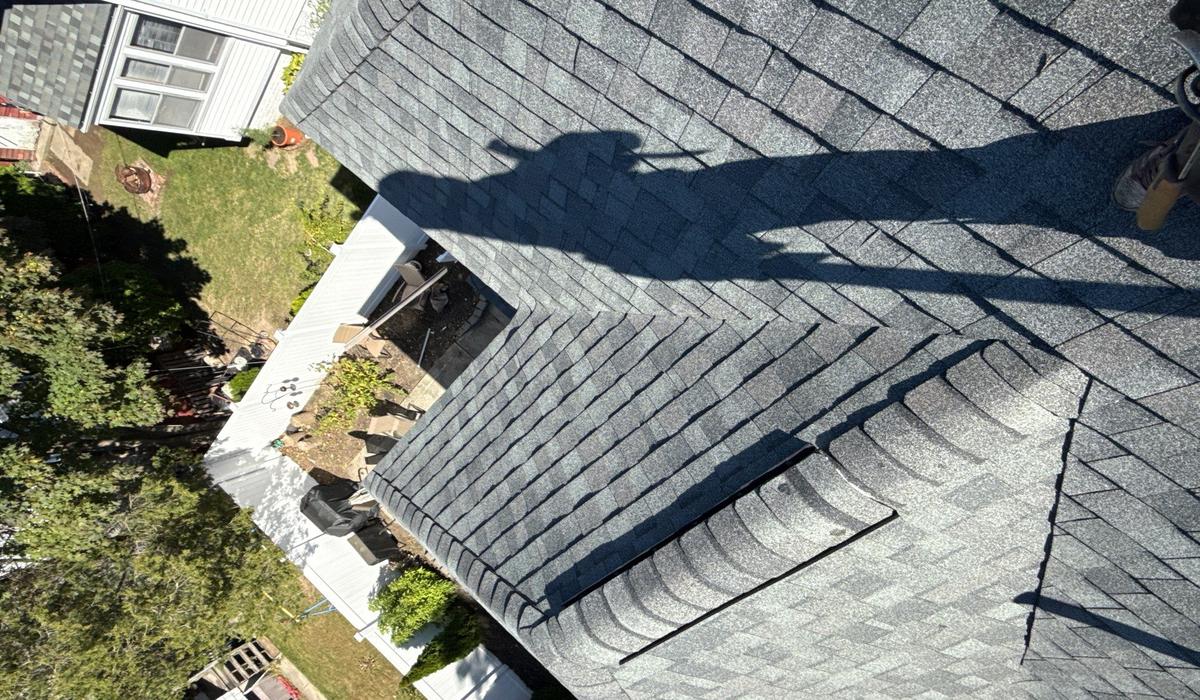
Roof replacement is one of the most important investments a homeowner can make. Your roof is the first line of defense against weather, moisture, and structural damage, yet many homeowners delay replacement until serious problems appear. A properly planned roof replacement not only protects your home but also improves energy efficiency, increases property value, and gives peace of mind for decades.
In this detailed guide, you will learn everything you need to know about roof replacement, including when it is necessary, available material options, cost factors, the full replacement process, and how to choose the right contractor. This article is written to help homeowners make confident, informed decisions without confusion or pressure.
What Is Roof Replacement and Why It Matters
Roof replacement involves removing the existing roofing system and installing a brand-new roof structure using modern materials and installation standards. Unlike roof repairs, which fix isolated damage, replacement addresses the entire roofing system to ensure long-term performance.
An aging or damaged roof can lead to water intrusion, mold growth, insulation problems, and even structural issues. Replacing your roof at the right time prevents small problems from turning into expensive repairs and protects both your property and your family.
Signs That Indicate You Need a Roof Replacement
Many homeowners miss early warning signs that their roof is failing. Understanding these signs helps prevent emergency situations and costly interior damage.
Shingles that are curling, cracking, or missing entirely often indicate that the roof has reached the end of its lifespan. Granules collecting in gutters suggest shingle deterioration. Interior signs such as water stains on ceilings, peeling paint, or mold growth also point to roofing failure. If your roof is more than 20 to 25 years old, even without visible damage, it may be time to consider a replacement.
Severe weather events, including hailstorms and high winds, can also weaken roofing systems even when damage is not immediately visible from the ground.
Roof Replacement Materials and Their Differences
Choosing the right roofing material is a critical decision that impacts durability, appearance, and maintenance needs. Each material has unique advantages depending on climate, budget, and architectural style.
Asphalt shingles remain the most popular choice due to affordability and reliable performance. Metal roofing offers superior longevity and energy efficiency, making it ideal for homeowners seeking long-term savings. Tile roofing provides exceptional durability and fire resistance but requires structural support. Wood shingles offer natural beauty but demand regular maintenance. Slate roofing delivers unmatched lifespan and elegance, though it comes at a higher cost.
Roofing Material Comparison
| Material Type | Average Lifespan | Maintenance Level | Cost Range | Best For |
|---|---|---|---|---|
| Asphalt Shingles | 20–30 Years | Low | Affordable | Most Residential Homes |
| Metal Roofing | 40–70 Years | Very Low | Mid to High | Energy Efficiency |
| Tile Roofing | 50+ Years | Low | High | Hot Climates |
| Wood Shingles | 25–40 Years | High | Mid Range | Traditional Aesthetics |
| Slate Roofing | 75–100 Years | Very Low | Premium | Luxury Homes |
Roof Replacement Cost Factors Explained Clearly
One of the biggest gaps in competitor content is transparency around cost. Roof replacement pricing varies based on multiple factors rather than a single flat rate.
The size and pitch of your roof significantly affect labor and material requirements. Roofing material choice plays a major role in total cost. Removal of old roofing layers, structural repairs, ventilation upgrades, and permit requirements can also impact pricing. Geographic location and local labor rates further influence final costs.
According to the U.S. Department of Energy, upgrading roofing systems with proper insulation and ventilation can reduce energy costs significantly over time, making replacement a smart long-term investment rather than just an expense.
The Roof Replacement Process Step by Step
Understanding the process helps homeowners feel confident and prepared. A professional roof replacement follows a structured approach to ensure safety and quality.
The process begins with a detailed roof inspection and material selection. Permits are obtained when required. Existing roofing materials are removed, and the decking is inspected for damage. Any structural issues are repaired before installing underlayment, flashing, and ventilation components. The new roofing material is then installed according to manufacturer and building code standards. A final inspection ensures workmanship quality and site cleanup.
This process typically takes one to three days for most residential homes, depending on complexity and weather conditions.
Preparing Your Home for Roof Replacement
Many competitor articles skip homeowner preparation, yet it plays a crucial role in preventing stress during installation.
Before work begins, homeowners should move vehicles away from the driveway, secure fragile items inside the home, and clear yard spaces. Informing neighbors about temporary noise helps maintain good relations. Pets should be kept indoors or away from the work area for safety.
Roof Replacement vs Roof Repair Which Is Better
Roof repair is suitable for isolated damage or newer roofs. However, when damage is widespread or the roof is nearing the end of its lifespan, replacement becomes the more cost-effective and reliable option. Repeated repairs often cost more over time and fail to address underlying structural issues.
Choosing the Right Roofing Contractor
Selecting the right contractor is just as important as choosing the right material. Homeowners should look for licensed and insured professionals with strong warranties and transparent pricing.
A trusted company like 757 Exteriors Roofing and Siding focuses on quality workmanship, clear communication, and long-term customer satisfaction rather than quick fixes. Homeowners seeking professional roof replacement services should always request inspections, written estimates, and warranty details before making a decision.
Post Replacement Maintenance Tips
Even a new roof requires minimal maintenance to perform at its best. Regular inspections, gutter cleaning, and prompt removal of debris help extend roof life. Addressing minor issues early prevents costly future repairs.
According to National Roofing Contractors Association, routine maintenance can extend roof lifespan by several years when done consistently.
Why Homeowners Choose Professional Roof Replacement Services
Professional roof replacement ensures compliance with local building codes, manufacturer warranties, and safety standards. Experienced contractors have the tools, training, and knowledge to complete projects efficiently and safely.
If a homeowner is considering professional assistance, 757 Exteriors Roofing and Siding provides reliable roof replacement solutions tailored to long-term performance and homeowner peace of mind.
Frequently Asked Questions About Roof Replacement
How long does a roof replacement take?
Most residential roof replacements are completed within one to three days, depending on roof size and complexity.
Is roof replacement covered by insurance?
Insurance coverage depends on the cause of damage. Storm-related damage is often covered, while normal wear and tear typically is not.
Can I stay in my home during roof replacement?
Yes, most homeowners remain in their homes during the process, though noise should be expected.
What is the best time of year for roof replacement?
Spring and fall are ideal due to stable weather conditions, but professional contractors can replace roofs year-round.
How long will my new roof last?
Lifespan depends on material choice, installation quality, and maintenance, ranging from 20 to over 100 years.
Final Thoughts on Roof Replacement
Roof replacement is not just about fixing what is broken but about protecting your home’s future. A well-installed roof enhances safety, efficiency, and property value while reducing long-term maintenance costs.
By understanding materials, costs, processes, and contractor selection, homeowners can make confident decisions that benefit their homes for decades. When done correctly, roof replacement is one of the smartest and most rewarding home improvements available.


